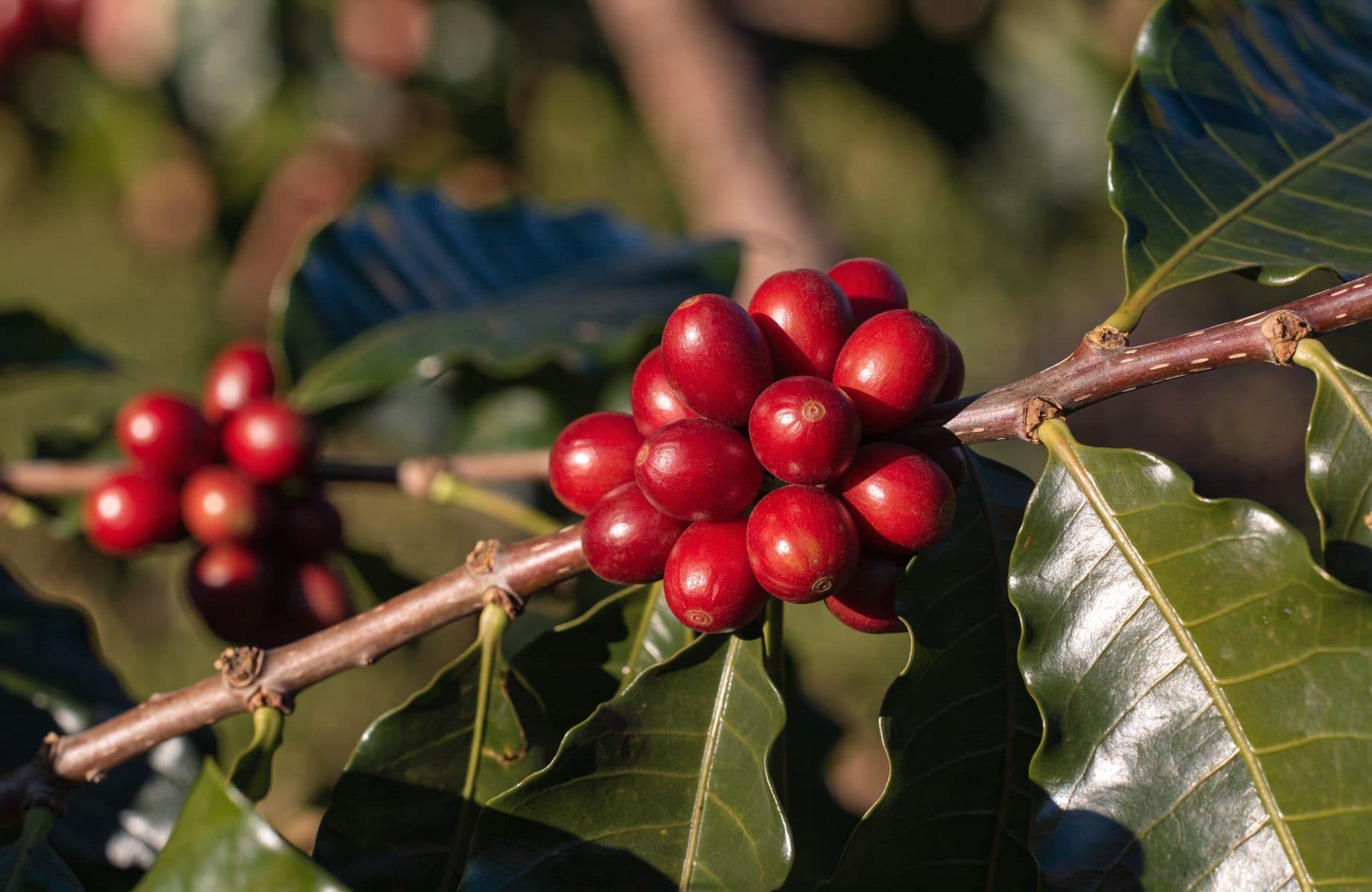
Illustration — not a named farm.
West-side cup · not a 10% blend
Island Coffee Bar
Island Coffee Bar is the Hawaii coffee guide — real Kona, a better brew, no 10% blend.
The gap
You had the cup on-island.
Then you got home, bought something labeled Kona, and wondered why it tasted like the grocery aisle. This site is for that gap. We help you tell a real bag from a 10% blend, brew it like it deserves, and skip the names that are not this site.
If you want a bag, start with 100% Kona Coffee from a named estate. If you want to know why those words matter, start here.

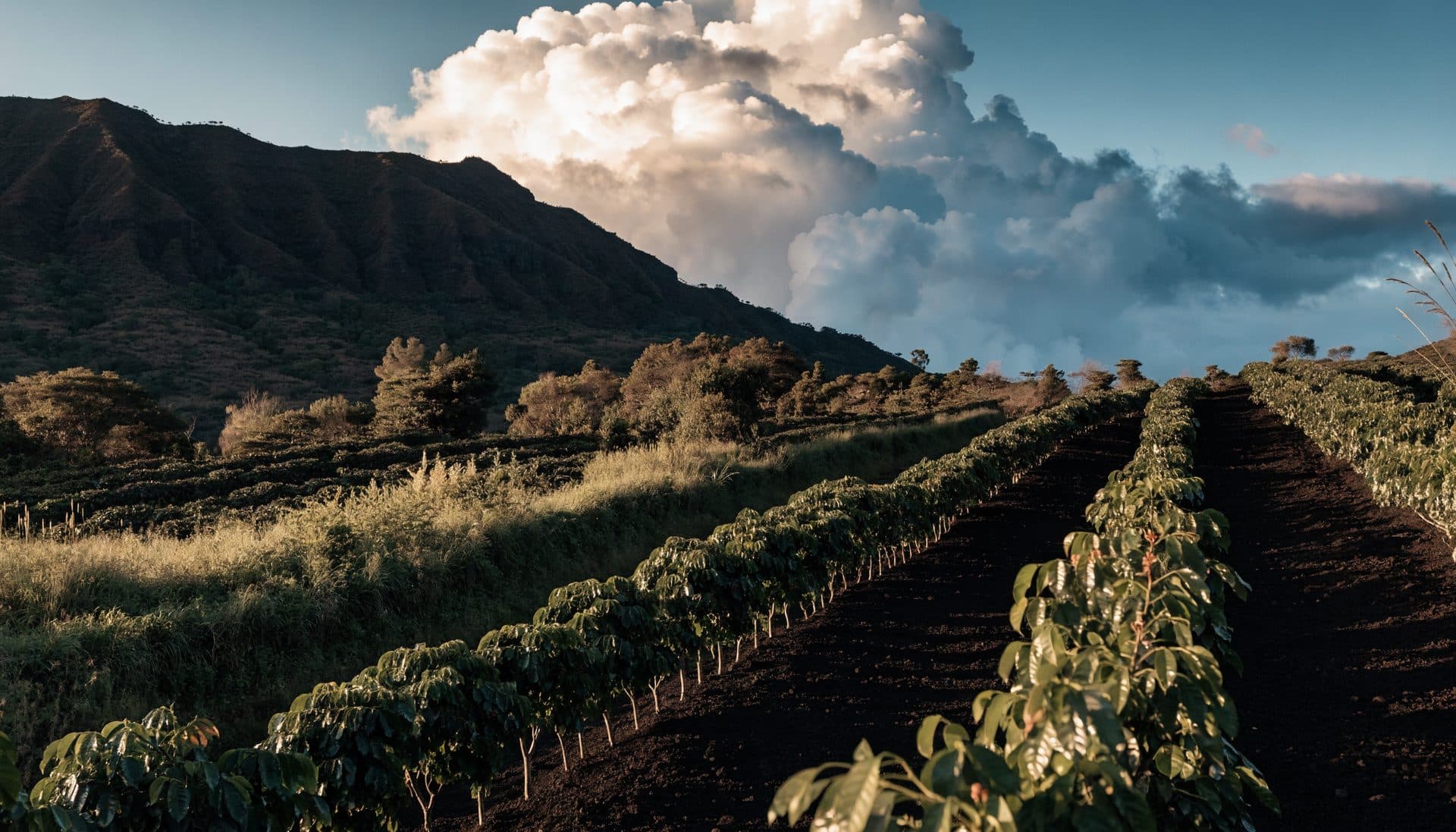
The west-side belt
Kona is a district and a cup, not a roast style.
How to shop
Three jobs
01
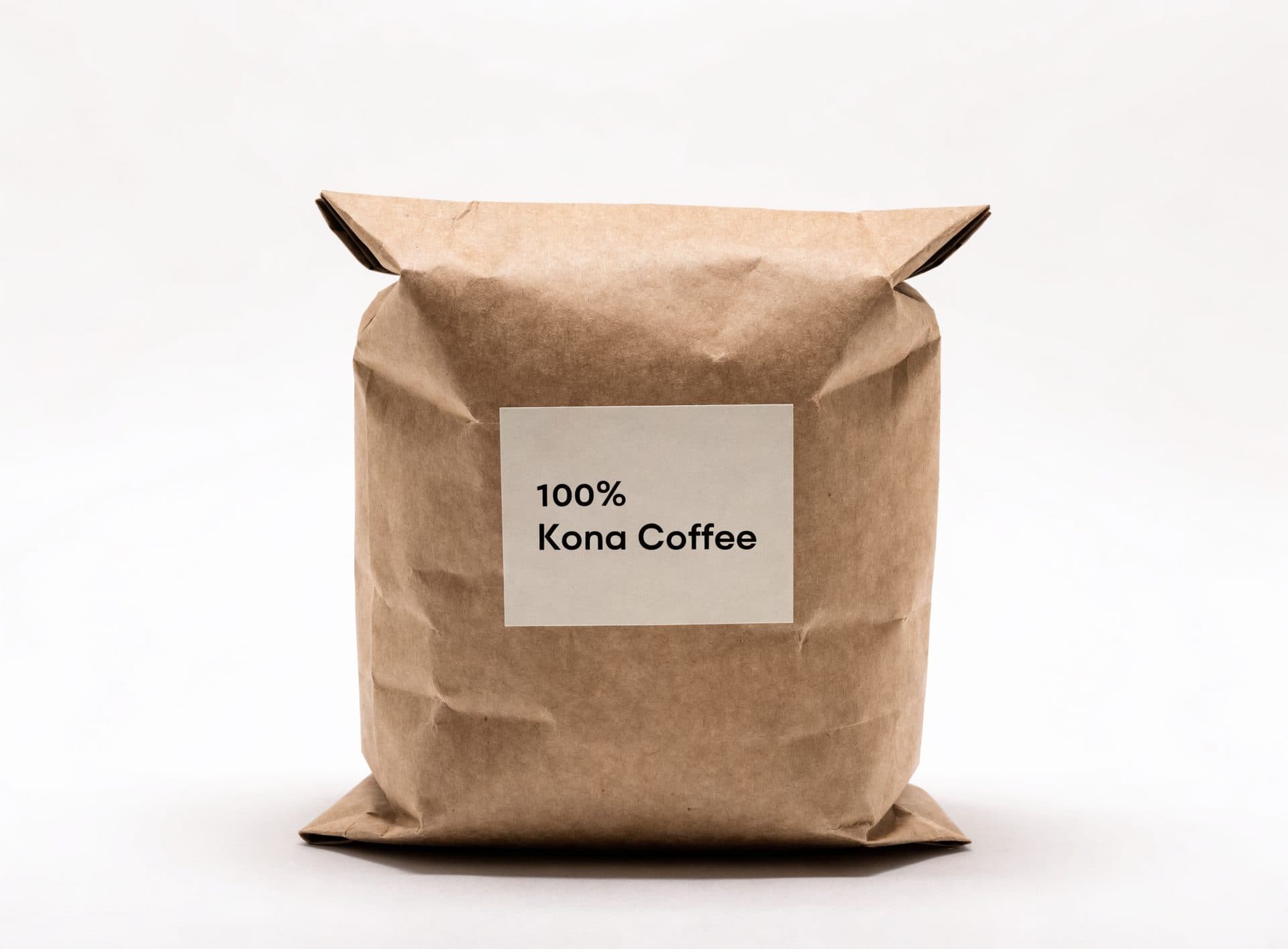
Read the identity line.
Look for the words “100% Kona Coffee.” Until 30 June 2027 a blend can legally wear a Hawaiʻi geographic name with as little as 10% of that origin in the bag (HRS §486-120.6 / Act 198). From 1 July 2027 the floor rises to 51% if that name is used. Blend percentage already has to be disclosed. The clean move is still those four tokens.
02
Pick a named estate when you want the west-side cup.
Genuine 100% Kona on farm sites commonly sits in the $30–$60+/lb range people see when they shop direct. A cheap “Kona” bag is usually a blend. That range is a smell test, not a certified floor.
03
Brew it without wrecking it.
Burr, not blade. A widely used start is 1:16 at about 200°F (93°C). Method does not fix a 10% blend.
If you already have a bag in your hand, skip to How to read a Kona bag. If you are still shopping the word, read in the order below.
Reading order
Start here
Eleven guides. Place first, then the blend rule, then the bag, then the brew.
01
What Kona actually means
Kona is a west-side district and a cup, not a roast style.
02
100% Kona vs the blend
10% rule, 1 July 2027 51% floor, look for “100% Kona Coffee.”
03
Kona vs the rest of Hawaiʻi
Kaʻū, Maui, Kauaʻi; Hawaiian is not a synonym for Kona.
04
How to read a Kona bag
Identity line, farm name, roast date, grade words, price tell, Kona-style.
05
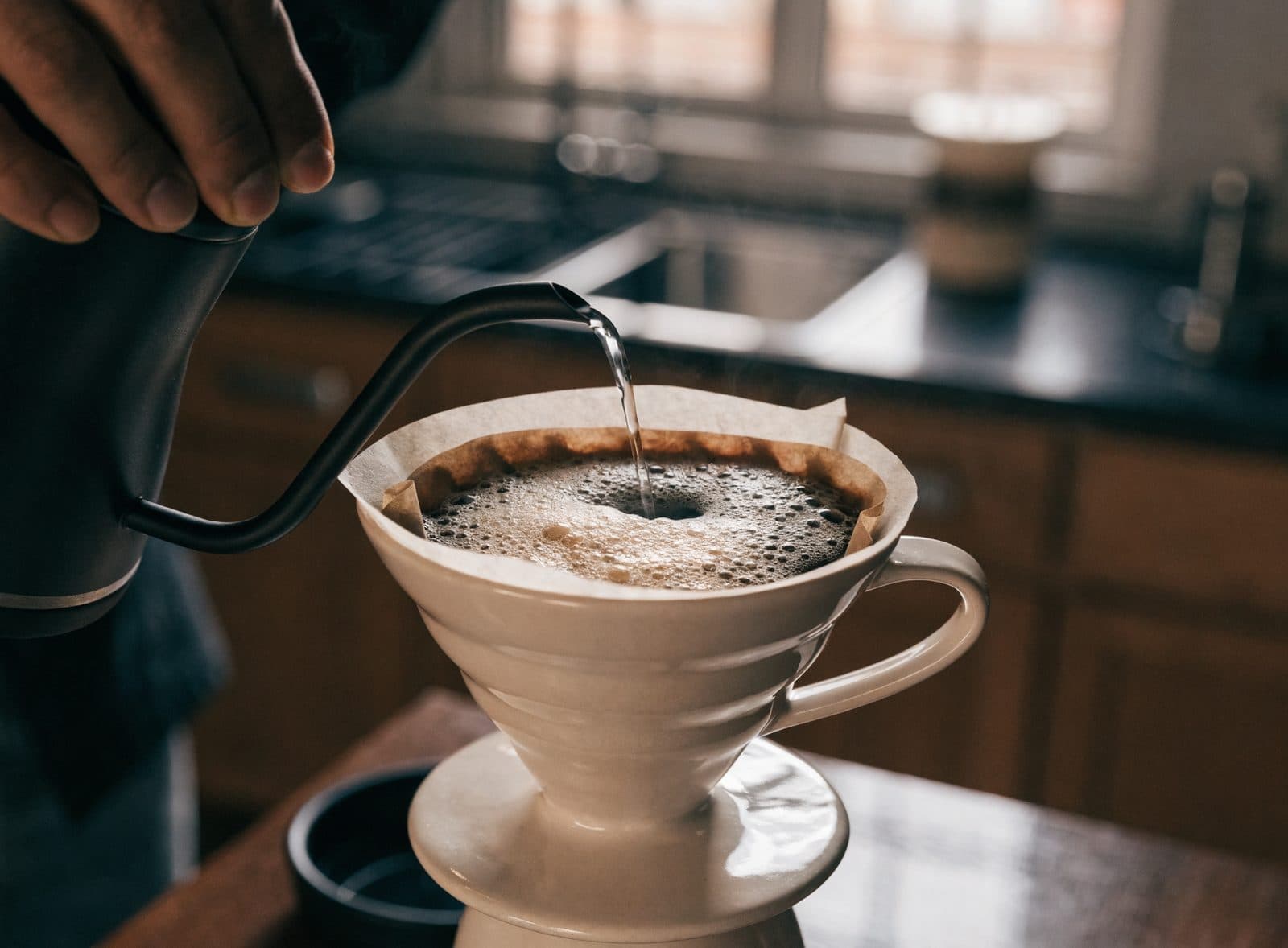
Pour-over vs drip for Kona
How method changes a mild sweet cup; start 1:16 / ~200°F.
06
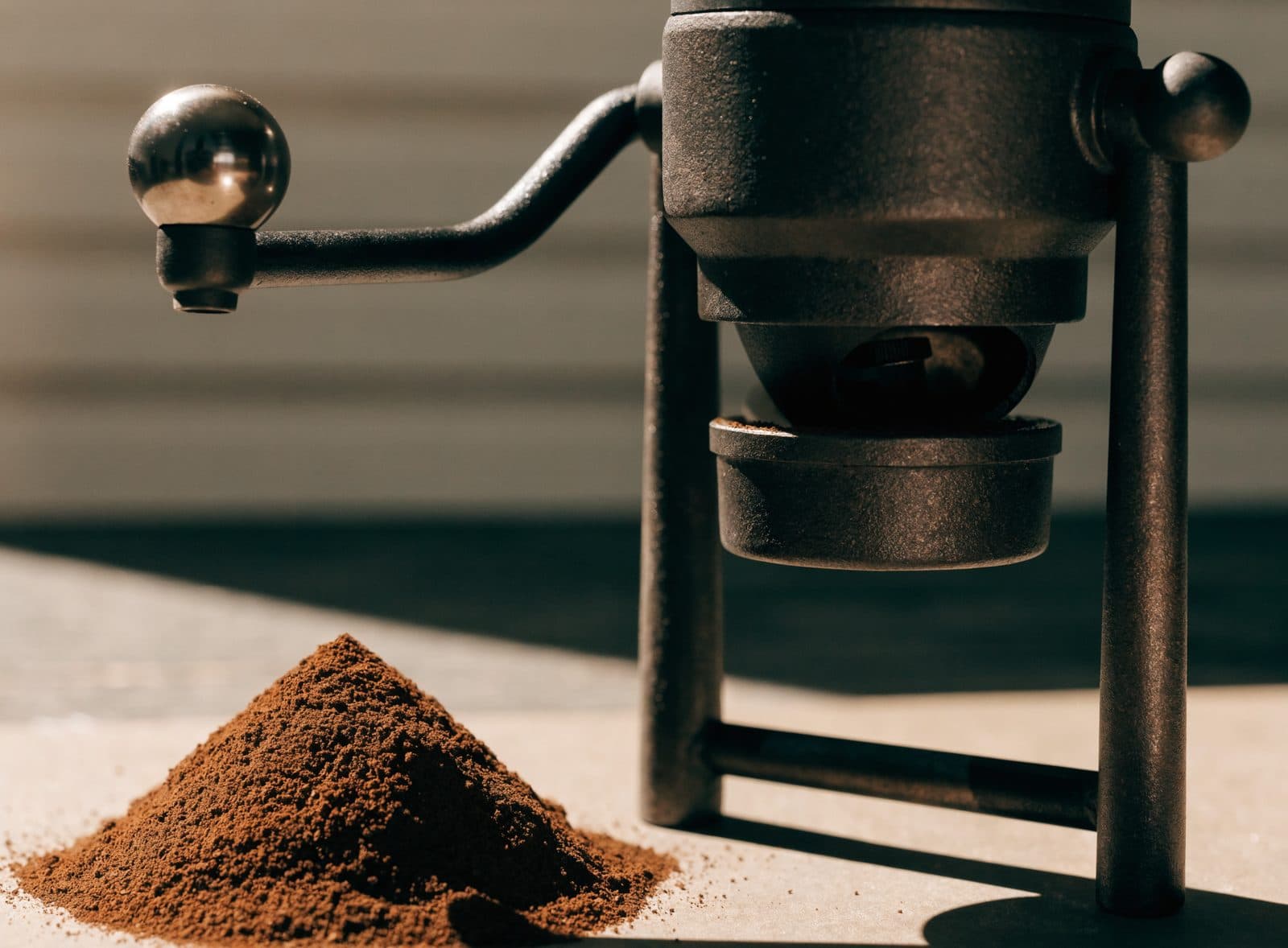
The grinder that doesn’t wreck the bag
Burr vs blade; kettle and scale are optional.
07
Coffee club or just a bag
One bag first; a club is freshness plus lock-in.
08
Farm-direct vs the supermarket bag
Roast date, who roasted it, supermarket blend risk.
09
Roast date vs best by
Roast date is when the coffee became coffee you can brew. Best-by is a warehouse horizon.
10
What elevation on a Kona bag means
Elevation on a Kona bag is a west-side farm altitude note, not a roast style and not proof the bag is 100% Kona.
11
What peaberry actually means
Peaberry is a bean shape. Hawaii calls it Type II: one oval seed in the cherry, not two flat-sided beans.
Next: What Kona actually means — Kona is a west-side district and a cup, not a roast style.
Common questions
FAQ
- What should I look for if I want real Kona?
- The words “100% Kona Coffee,” from a named estate. If you want to know why those words matter, start with What Kona actually means and 100% Kona vs the blend.
- I already have a bag. Where do I start?
- How to read a Kona bag is the literacy test. Then Pour-over vs drip for Kona and The grinder that doesn’t wreck the bag.
- What order should I read these guides?
- The start-here list is the reading order: place, then the blend rule, then the rest of Hawaiʻi, then the bag, then brew, then the grinder, then club vs one bag, then farm-direct vs the supermarket, then roast date vs best by, then what elevation on a Kona bag means, then what peaberry actually means.
- Is Hawaiian coffee the same as Kona?
- No. Hawaiian is not a synonym for Kona. Kona is a district on the west side of Hawaiʻi Island. Kaʻū, Maui, Kauaʻi, and other Hawaiʻi origins are real coffee. They are just not Kona.
- Can a bag say Kona if it is mostly something else?
- Until 30 June 2027, a blend can legally wear a Hawaiʻi geographic name with as little as 10% of that origin in the bag (HRS §486-120.6 / Act 198). From 1 July 2027 the floor rises to 51% if that name is used. Blend percentage already has to be disclosed. The clean move is still the same: look for “100% Kona Coffee.”