Illustration: not a named farm.
Field guide
What light, medium and dark roast mean on a 100% Kona bag
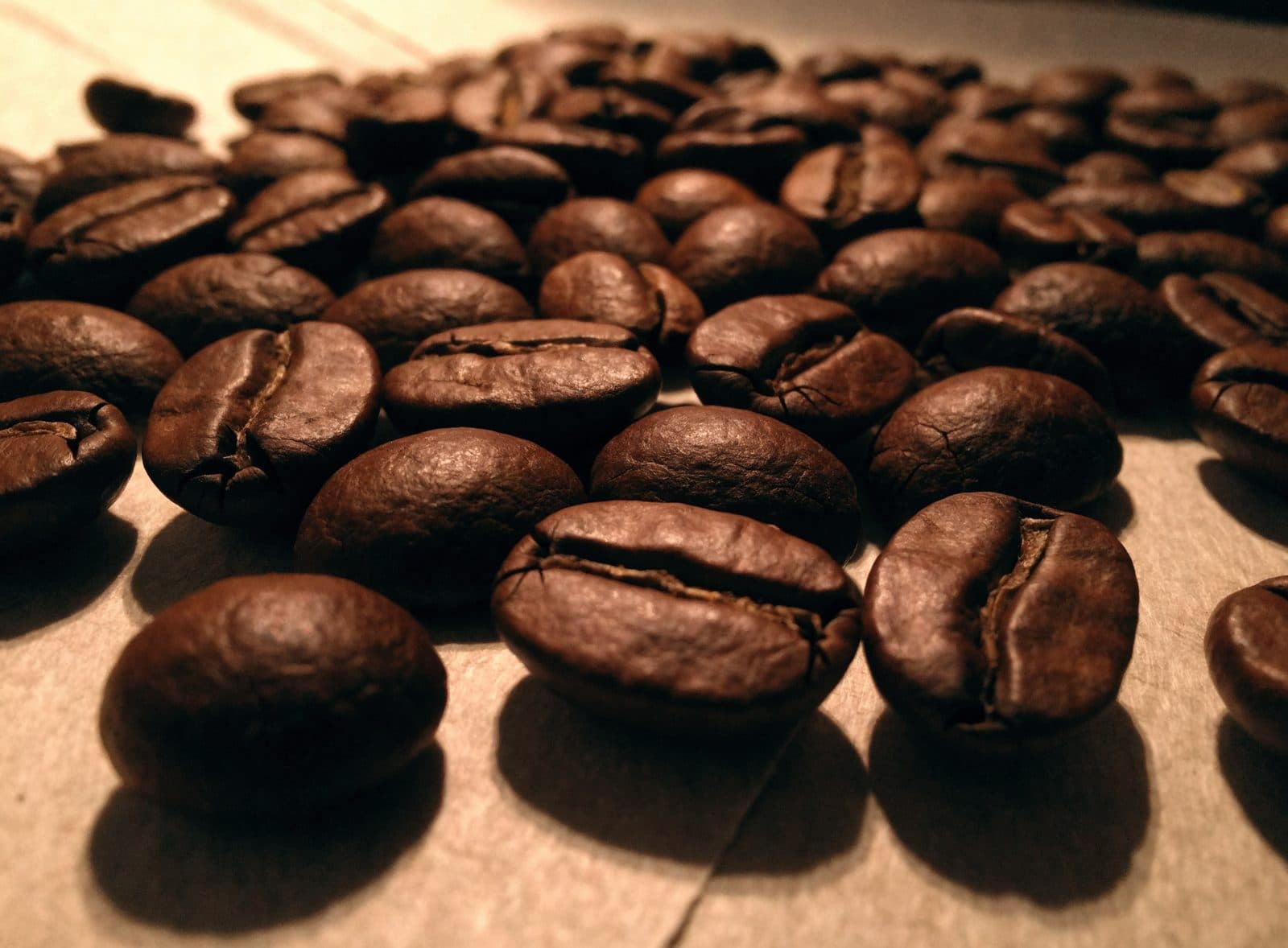
Green coffee beans go into a roaster and come out brown. How long and how far they roast is what the word on the bag is telling you: light, medium or dark. Same farm, same beans, very different cups.
Green coffee beans go into a roaster and come out brown. How long and how far they roast is what the word on the bag is telling you: light, medium or dark. Same farm, same beans, very different cups.
Roast comes after the big question. Read "100% Kona Coffee" first, a named estate second, then the roast. Bag literacy: How to read a Kona bag.
Roast is the roaster's word, not a grade
There is no single shared scale behind these words. One roaster's medium can look like another's medium-dark. Treat the word as that roaster's description, and use the color of the beans as a second clue: lighter brown and dry looking toward the light end, deep brown and often shiny with oil toward the dark end.
Roast level is not a quality grade. A light roast is not "better Kona" and a dark roast is not "stronger Kona." It is a style choice.
Light roast
- Beans: lighter brown, dry surface.
- In the cup (general tendency): brighter, lighter body, more of the bean's own character.
- Good fit if you drink it black and want to taste what the farm grew.
- Watch for: a light roast brewed too quickly or too coarse can taste sour. Grind a little finer first.
Medium roast
- Beans: even medium brown, mostly dry.
- In the cup (general tendency): balanced, rounder, with the mild chocolate and nut notes many people expect from Kona.
- Good fit for a first 100% Kona bag, and for most home methods: French press, pour-over or drip, cold brew.
Dark roast
- Beans: deep brown, often with an oily sheen.
- In the cup (general tendency): heavier, roastier, more bittersweet, less of the bean's own character.
- Good fit if you add milk, or you like a bold, smoky cup.
- Worth knowing: the further the roast goes, the more the cup tastes like roasting and the less it tastes like where it was grown. Many people buy 100% Kona to taste the place, so try a medium before you go dark.
How to pick on purpose
An example way to choose, not a rule:
- Black coffee, curious about the farm: start light or medium.
- First 100% Kona bag, no strong preference: medium.
- Milk or cream every time: medium or dark.
- Not sure what you like: buy two roasts and taste them side by side on the same morning, with the same brewer.
Roast and the rest of the bag
- Roast date: roast level tells you how far; the roast date tells you when. Both matter. More: Roast date vs best by.
- Whole bean: any roast stays fresher as whole bean. More: Whole bean vs ground.
- Storage: sealed, away from heat and light, whatever the roast. More: How to store an opened bag of 100% Kona.
- Blends: a dark roast on a 10% blend is still a 10% blend. More: Kona vs blend.
The short version
- Confirm "100% Kona Coffee" first.
- Light: brighter, more of the farm. Medium: balanced, the classic Kona cup. Dark: roastier, bolder, less of the farm.
- Roast words vary by roaster; look at the beans too.
- Not a quality grade. Pick for how you drink it.
FAQ
- Which roast is the strongest?
- "Strong" usually means a roastier, heavier taste, which points to dark. How strong the cup is mostly comes from how much coffee you use.
- Is light roast sour?
- It can taste sour if it is under-extracted. Try a finer grind or a slightly longer brew before giving up on it.
- Which roast should I buy first?
- Medium is an easy first 100% Kona bag. Then try a light or dark next to it.
- Do all roasters use the same words?
- No. Treat light, medium and dark as each roaster's own description.